Lecture-concert on Tuareg music
© René Goiffon
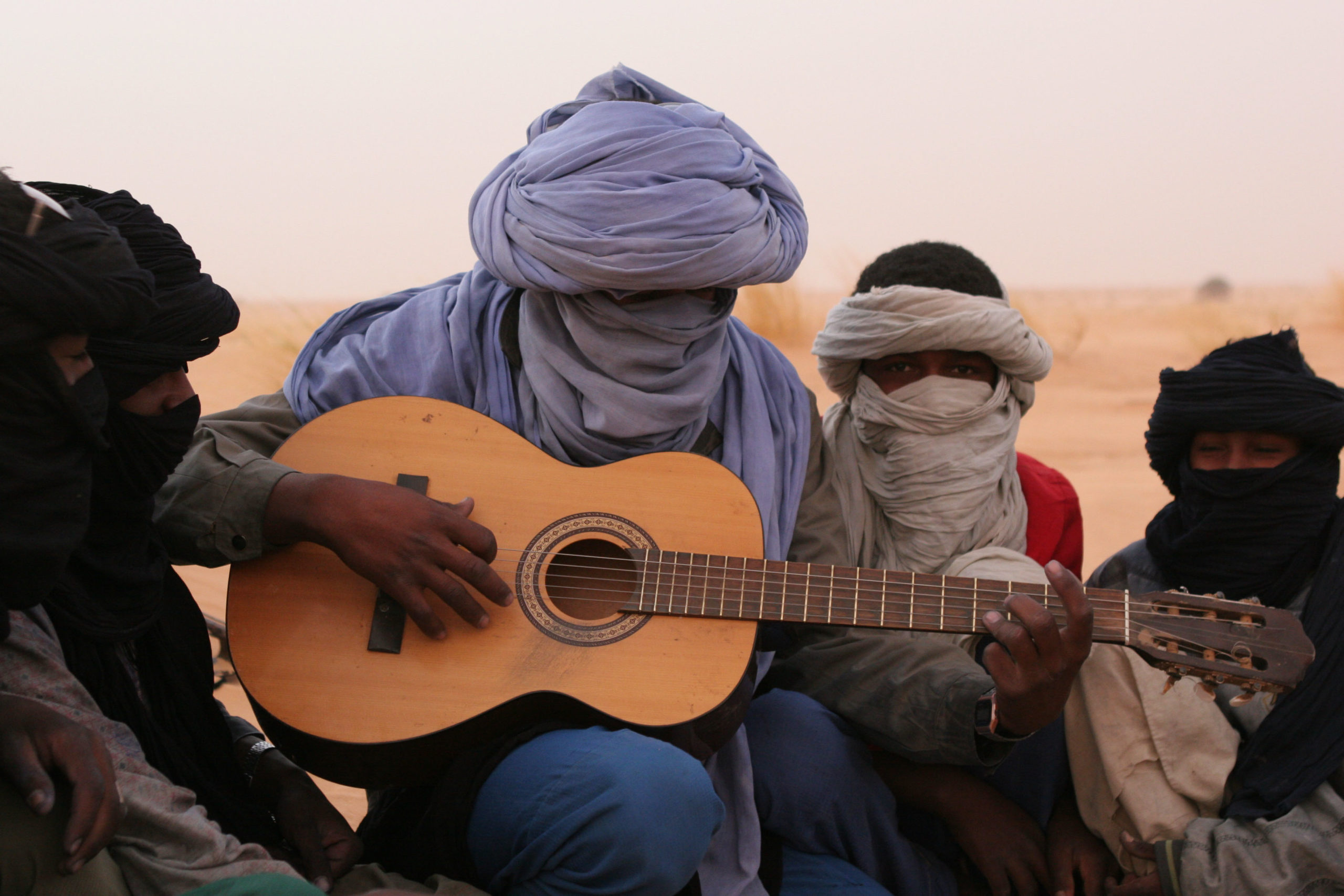
For three years, ethnomusicologist and musician Anouck Genthon conducted research in Niger with ishumar musicians. She met them in 2009 in Niamey and in the Azawagh region, seeking to understand the place this music holds within the Tuareg community. She aimed to grasp what constitutes this music and how it was—and is today—practiced, focusing on transcribing the voices of the musicians and listeners alike: their intentions, feelings, and individual perspectives within the relationships they maintain with one another. She thus speaks about ishumar music through the viewpoints of those who, individually and collectively, contribute to the living practice of this singular musical tradition.
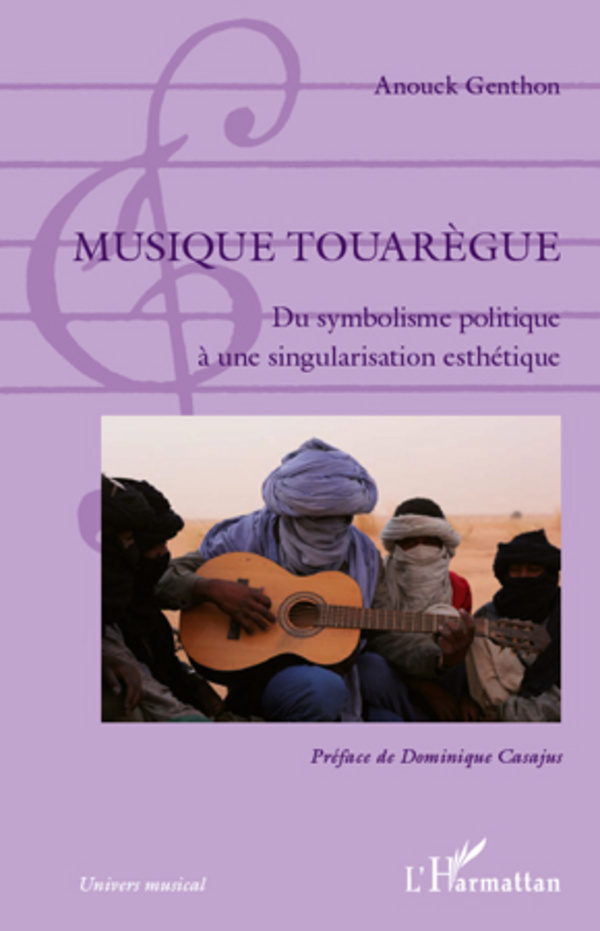
This research resulted in the publication Musique touarègue. Du symbolisme politique à une singularisation esthétique (L’Harmattan, 2012), as well as the article “From traditional poet-singers to contemporary guitarists: what has become of Tuareg poetic and musical art in Niger?” published in the Proceedings of the International Imzad Meetings Conference (2011). She was featured by Mondomix (2012), Libération (2013), and invited for radio interviews on Imidiwan (Radio Dzaïr, 2011), Sur Écoute (France Culture, 2014), PM (Radio-Canada Première, 2015), and La Quadrature du cercle (Radio Méga, 2019).
She offers this lecture-concert for audiences curious to discover Tuareg music. She illustrates her talk and contextualizes these musical practices through the listening of numerous sound excerpts (both published and unpublished), which she plays, comments on, and performs on the violin.
Interviewed by Elizabeth Tchoungui, “Le blues du désert 2.0”, Sur Ecoute, France Culture-Radio France, on 8 March, 2014
Musique touarègue. Du symbolisme politique à une singularisation esthétique, L’Harmattan, Paris, 2012